

What is Skin Cancer ?

Skin cancer is the uncontrolled growth of abnormal skin cells, most often developed due to DNA damage from ultraviolet (UV) radiation from the sun or tanning beds. This damage triggers mutations that lead to the rapid multiplication of skin cells, forming malignant tumors. The three main types are: Basal Cell Carcinoma (BCC): The most common form, which rarely spreads but can be locally destructive. Squamous Cell Carcinoma (SCC): The second most common, which can grow deeper and sometimes spread to other parts of the body. Melanoma: The most dangerous type, known for its ability to spread (metastasize) rapidly to other organs if not caught early.
Book Appointment

What is Skin Cancer ?

Skin cancer is the uncontrolled growth of abnormal skin cells, most often developed due to DNA damage from ultraviolet (UV) radiation from the sun or tanning beds. This damage triggers mutations that lead to the rapid multiplication of skin cells, forming malignant tumors. The three main types are: Basal Cell Carcinoma (BCC): The most common form, which rarely spreads but can be locally destructive. Squamous Cell Carcinoma (SCC): The second most common, which can grow deeper and sometimes spread to other parts of the body. Melanoma: The most dangerous type, known for its ability to spread (metastasize) rapidly to other organs if not caught early.
Book Appointment

When should you need Skin Cancer Treatment ?

  • General Symptoms and the ABCDE Rule (for Melanoma): One half of a mole or spot doesn't match the other, Edges are irregular, ragged, notched, or blurred, The color is not uniform and may include shades of brown, black, pink, red, white, or blue, The spot is larger than 6mm across (about the size of a pencil eraser), though melanomas can be smaller, The mole is changing in size, shape, or color.
  • Symptoms by Skin Cancer Type: Basal Cell Carcinoma (BCC): Often appears as a pearly or waxy bump, or a flat, flesh-colored or brown scar-like lesion. It may bleed easily, ooze, or form a crust. Squamous Cell Carcinoma (SCC): Typically a firm, red nodule or a flat lesion with a scaly, crusted surface. Melanoma: Can develop in an existing mole or appear as a new dark spot. Use the ABCDE rule as a guide.
Book Appointment

What is the diagnostic process for Skin Cancer ?

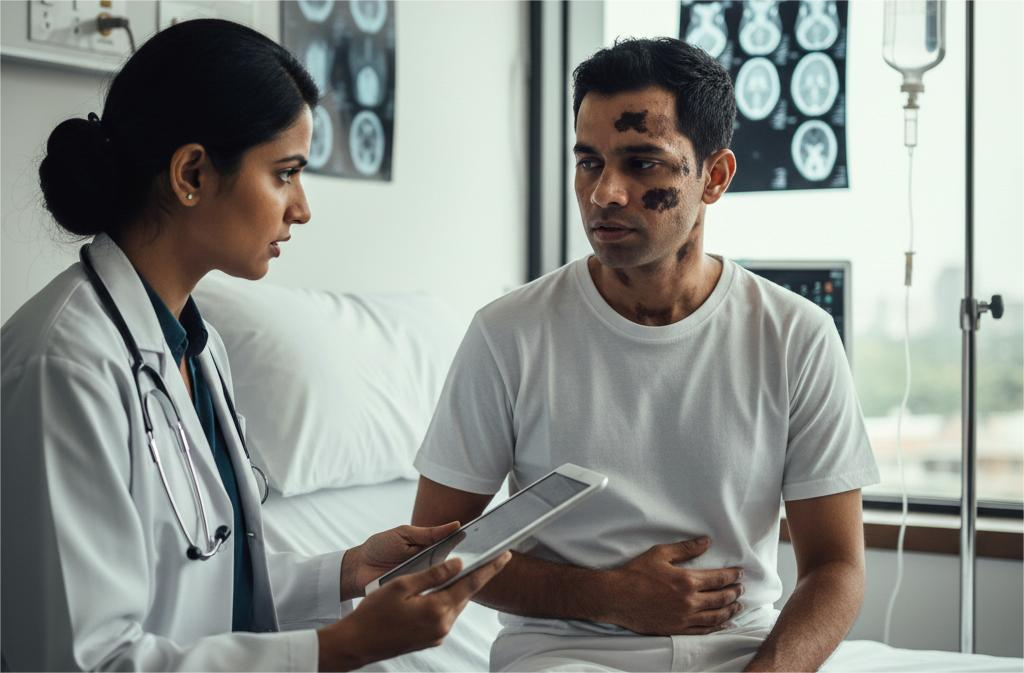
  • The diagnostic process for skin cancer begins with a visual skin examination by a doctor or dermatologist, who assesses any suspicious moles, sores, or growths using the ABCDE rule.
  • If a lesion is concerning, the next and most critical step is a biopsy. This minor procedure involves removing all or part of the abnormal skin tissue.
  • The sample is sent to a lab for pathological analysis under a microscope, which provides the definitive diagnosis. The biopsy confirms whether cancer is present and identifies the specific type (e.g., basal cell carcinoma, melanoma), its depth, and other characteristics critical for determining the appropriate treatment plan.
Book Appointment

How should we treat Skin Cancer ?

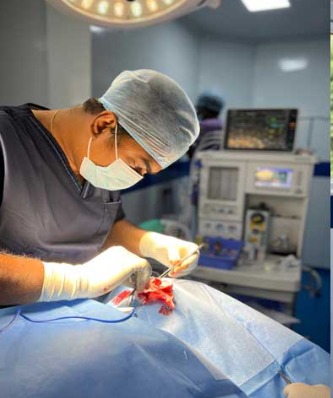
Surgical Excision

Mohs Surgery

Electrodessication and Curettage (ED&C)

Cryotherapy

Topical Medications

Why with us ?

Choose Privaram for skin cancer care, where our specialists combine advanced surgical excision, targeted therapies, and precision radiation. We provide comprehensive, compassionate treatment using cutting-edge technology while prioritizing your comfort, cosmetic outcomes, and complete recovery in our supportive healing environment.