


What is Genito Urinary Cancer ?

Genito-urinary (GU) cancer refers to a group of cancers that affect the urinary system and the male reproductive system. This category includes several specific organ-based cancers. In the urinary tract, common types are bladder cancer, kidney cancer (renal cell carcinoma), and cancers of the ureters and urethra. In the male reproductive system, major GU cancers include prostate cancer (one of the most common cancers in men) and testicular cancer. Penile cancer is also part of this group.
Book Appointment

What is Genito Urinary Cancer ?

Genito-urinary (GU) cancer refers to a group of cancers that affect the urinary system and the male reproductive system. This category includes several specific organ-based cancers. In the urinary tract, common types are bladder cancer, kidney cancer (renal cell carcinoma), and cancers of the ureters and urethra. In the male reproductive system, major GU cancers include prostate cancer (one of the most common cancers in men) and testicular cancer. Penile cancer is also part of this group.
Book Appointment

When should you need Genito Urinary Cancer Treatment ?

  • Key Urinary Tract Symptoms (Bladder, Kidney) : Blood in the urine, Pain, Frequent or urgent need to urinate or a burning sensation during urination.
  • Key Male Reproductive Symptoms (Prostate, Testicular, Penile):Difficulty urinating, a weak or interrupted urine flow, and erectile dysfunction, A lump or swelling in either testicle, a feeling of heaviness, or a dull ache in the lower abdomen or scrotum, A sore, lump, or rash on the penis, especially if it doesn't heal.
  • General Symptoms: Unexplained weight loss and persistent fatigue can also occur with advanced disease.
Book Appointment

What is the diagnostic process for Genito Urinary Cancer ?

  • The diagnostic process for genito-urinary (GU) cancer varies by the specific organ involved but follows a consistent pattern. It often begins with an initial test, such as a urinalysis to detect blood for bladder cancer or a PSA blood test for prostate cancer. If results are suspicious, the next steps typically include:
  • Imaging: Scans like CT, MRI, or ultrasound are used to visualize the kidneys, bladder, or prostate.
  • Cystoscopy or Ureteroscopy: A thin, lighted scope is used to examine the inside of the bladder and urethra.
  • Biopsy: A tissue sample is taken, often during a scope procedure or via a needle guided by ultrasound. This biopsy provides the definitive diagnosis, confirming the cancer type and grade.
Book Appointment

How should we treat Genito Urinary Cancer ?

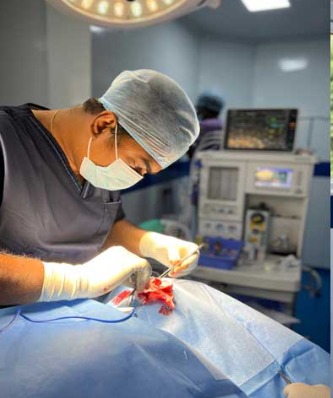
Surgery

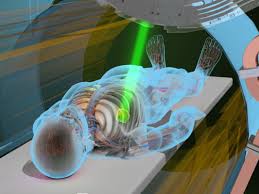
Radiation Therapy

Chemotherapy
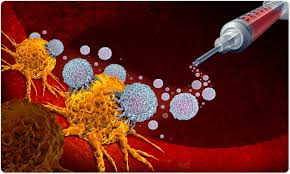
Immunotherapy
Targeted Therapy

Hormone Therapy
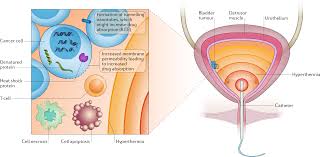
Intravesical Therapy

Why with us ?

Choose Privaram for GU cancer care where our gold-medalist surgeons and advanced radiation therapy deliver precise, personalized treatment. We combine the latest medical technology with compassionate, holistic support—treating both the disease and you with unwavering dedication in a safe, transparent environment. Your healing journey is our priority.