
What is Hemato-Oncology ?

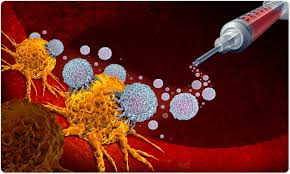
Cancer isn't just a disease of the body's organs; it can also affect our blood and immune system. Hemato-Oncology is the branch of medicine that specializes in diagnosing, treating, and managing cancers of the blood, bone marrow, and lymphatic system. In simple terms, it is the study of blood cancers. The two most common blood cancers are leukemia and lymphoma. While both involve white blood cells, the key difference lies in where they start. • Leukemia starts in the blood and bone marrow. • Lymphoma starts in the lymph nodes and lymphatic system.
Book Appointment

What is Hemato-Oncology ?

Cancer isn't just a disease of the body's organs; it can also affect our blood and immune system. Hemato-Oncology is the branch of medicine that specializes in diagnosing, treating, and managing cancers of the blood, bone marrow, and lymphatic system. In simple terms, it is the study of blood cancers. The two most common blood cancers are leukemia and lymphoma. While both involve white blood cells, the key difference lies in where they start. • Leukemia starts in the blood and bone marrow. • Lymphoma starts in the lymph nodes and lymphatic system.
Book Appointment

When should you need Hemato-Oncology Treatment ?

  • For Leukemia, Persistent Fatigue, Weakness, Shortness of Breath, Pale Skin, Dizziness or Lightheadedness, Frequent Infections, Fevers and Chills, Slow-Healing Cuts, Easy Bruising, Frequent or Severe Nosebleeds, Bleeding Gums, Pinpoint Red Spots on the Skin Heavy or Prolonged Periods in women.
  • For Lymphoma, Swollen Lymph Nodes in The neck, The armpit and The groin, Unexplained Fever, Drenching Night Sweats, Unintentional Weight Loss, Persistent Fatigue, Itching, Loss of Appetite Cough or Shortness of Breath Abdominal Pain or Swelling.
Book Appointment

What is the diagnostic process for Hemato-Oncology ?

  • After Medical History and Physical Exam, The Complete Blood Count (CBC) is the most critical first test. It measures the different types of cells in your blood. Abnormal White Blood Cells: Very high or very low counts, or the presence of immature "blast" cells (not normally seen in blood), can point to leukemia. Biopsy, the only way to confirm a cancer diagnosis.
  • For Suspected Leukemia: Bone Marrow Aspiration and Biopsy.
  • For Suspected Lymphoma: Lymph Node Biopsy.
  • Once the tissue or marrow is obtained, it is analyzed in a lab by a pathologist (a doctor who specializes in diagnosing disease from cells). This is where the exact type of cancer is identified
Book Appointment

How should we treat Hemato-Oncology ?

Chemotherapy

Immunotherapy
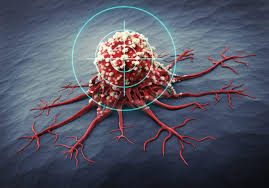
Targeted Therapy
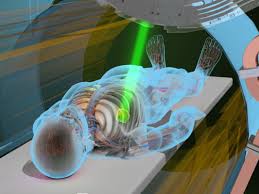
Radiation Therapy
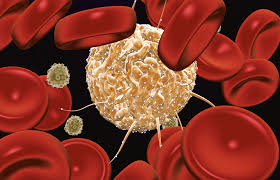
Stem Cell Transplantation

Why with us ?

Dedicated Hemato-Oncologists: The best institute of doctors who specialize in blood cancers. We have experts in the nuances of leukemia, lymphoma, and myeloma. Tumor Boards: For complex cases, a team of specialists—including medical oncologists, radiation oncologists, pathologists, and nurses—meets to review the patient's file and collectively decide on the best possible treatment plan. This ensures multiple expert opinions are considered.