




What is Gastro-Intestinal Cancer ?

Gastrointestinal (GI) cancer is a broad term for cancers affecting the digestive system, or the gastrointestinal tract. This includes a group of organs that form a continuous pathway from the mouth to the anus, responsible for digesting food, absorbing nutrients, and expelling waste. These cancers can develop in any part of this tract. Common types include: Colorectal cancer: occurring in the colon or rectum, Stomach (gastric) cancer, Esophageal cancer, Liver cancer, Pancreatic cancer, Cancer of the small intestine, gallbladder and anus.
Book Appointment

What is Gastro-Intestinal Cancer ?

Gastrointestinal (GI) cancer is a broad term for cancers affecting the digestive system, or the gastrointestinal tract. This includes a group of organs that form a continuous pathway from the mouth to the anus, responsible for digesting food, absorbing nutrients, and expelling waste. These cancers can develop in any part of this tract. Common types include: Colorectal cancer: occurring in the colon or rectum, Stomach (gastric) cancer, Esophageal cancer, Liver cancer, Pancreatic cancer, Cancer of the small intestine, gallbladder and anus.
Book Appointment

When should you need Gastro-Intestinal Cancer Treatment ?

  • The symptoms of gastrointestinal (GI) cancer vary significantly depending on the specific organ affected (e.g., esophagus, stomach, colon, pancreas, liver). However, many symptoms are shared across different types due to the digestive system's interconnected nature. Common symptoms include Persistent Abdominal Discomfort, Unexplained Weight Loss, Loss of Appetite, Nausea and Vomiting, Difficulty Swallowing ,Changes in Bowel Habits, Rectal Bleeding or Blood in Stool, Jaundice, Unexplained Anemia.
Book Appointment

What is the diagnostic process for Gastro-Intestinal Cancer ?

  • The diagnostic process for gastrointestinal (GI) cancer depends on the suspected organ but follows a common pathway. It often begins with a physical exam and review of symptoms. Key steps include:
  • Imaging: Scans like CT or MRI are used to visualize the digestive tract and identify abnormalities.
  • Endoscopy: A scope (e.g., a colonoscope or gastroscope) is inserted to examine the inner lining of the GI tract directly. This is crucial for cancers of the esophagus, stomach, and colon.
  • Biopsy: During an endoscopy, if a suspicious area is found, the doctor takes a small tissue sample. A pathologist analyzes this biopsy to provide a definitive cancer diagnosis, including its type and grade.
Book Appointment

How should we treat Breast Cancer ?

Surgery

Chemotherapy
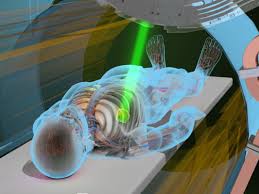
Radiation Therapy
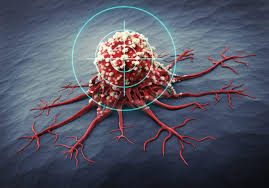
Targeted Therapy

Why with us ?

Choose Privaram for GI cancer care where advanced technology meets deep compassion. Our expert surgical and radiation oncologists create personalized treatment plans. We prioritize your safety, comfort, and holistic well-being in a transparent, supportive environment. Your fight is our fight, with unwavering dedication to your best outcome.