

What is Lung Cancer ?

Lung cancer is a disease characterized by the uncontrolled growth of abnormal cells in one or both lungs. These malignant cells form tumors that interfere with the lung's primary function of providing oxygen to the bloodstream. There are two main types: Non-Small Cell Lung Cancer (NSCLC), which is the most common and includes adenocarcinomas, and Small Cell Lung Cancer (SCLC), a more aggressive form that spreads rapidly. The primary cause of lung cancer is smoking, responsible for the vast majority of cases. Other risk factors include exposure to secondhand smoke, radon gas, asbestos, and air pollution.
Book Appointment

What is Lung Cancer ?

Lung cancer is a disease characterized by the uncontrolled growth of abnormal cells in one or both lungs. These malignant cells form tumors that interfere with the lung's primary function of providing oxygen to the bloodstream. There are two main types: Non-Small Cell Lung Cancer (NSCLC), which is the most common and includes adenocarcinomas, and Small Cell Lung Cancer (SCLC), a more aggressive form that spreads rapidly. The primary cause of lung cancer is smoking, responsible for the vast majority of cases. Other risk factors include exposure to secondhand smoke, radon gas, asbestos, and air pollution.
Book Appointment

When should you need Lung Cancer Treatment ?

  • The symptoms of lung cancer can be subtle in the early stages, often becoming more pronounced as the disease advances. Common Symptoms, A Persistent Cough, Coughing Up Blood, Shortness of Breath, Chest Pain, Hoarseness, Unexplained Weight Loss and Loss of Appetite.
Book Appointment

What is the diagnostic process for Lung Cancer ?

  • The diagnostic process for lung cancer begins when a suspicious nodule is found on an imaging scan, typically a chest X-ray or more commonly, a low-dose CT scan used for screening. To confirm the diagnosis:
  • Biopsy: A sample of the lung tissue or nodule must be obtained. This can be done via bronchoscopy (a scope down the windpipe), a CT-guided needle biopsy, or surgery (like VATS).
  • Pathology Analysis: The biopsied tissue is analyzed to confirm cancer, determine its type (e.g., NSCLC vs. SCLC), and test for specific genetic mutations.
  • Further staging scans (like a PET-CT) are then used to determine the extent of the disease and guide the treatment plan.
Book Appointment

How should we treat Lung Cancer ?

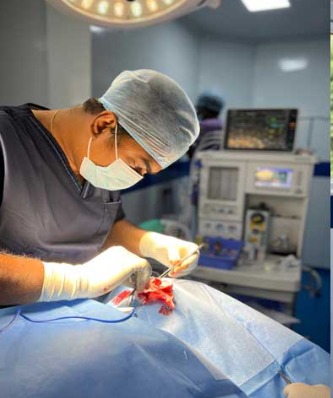
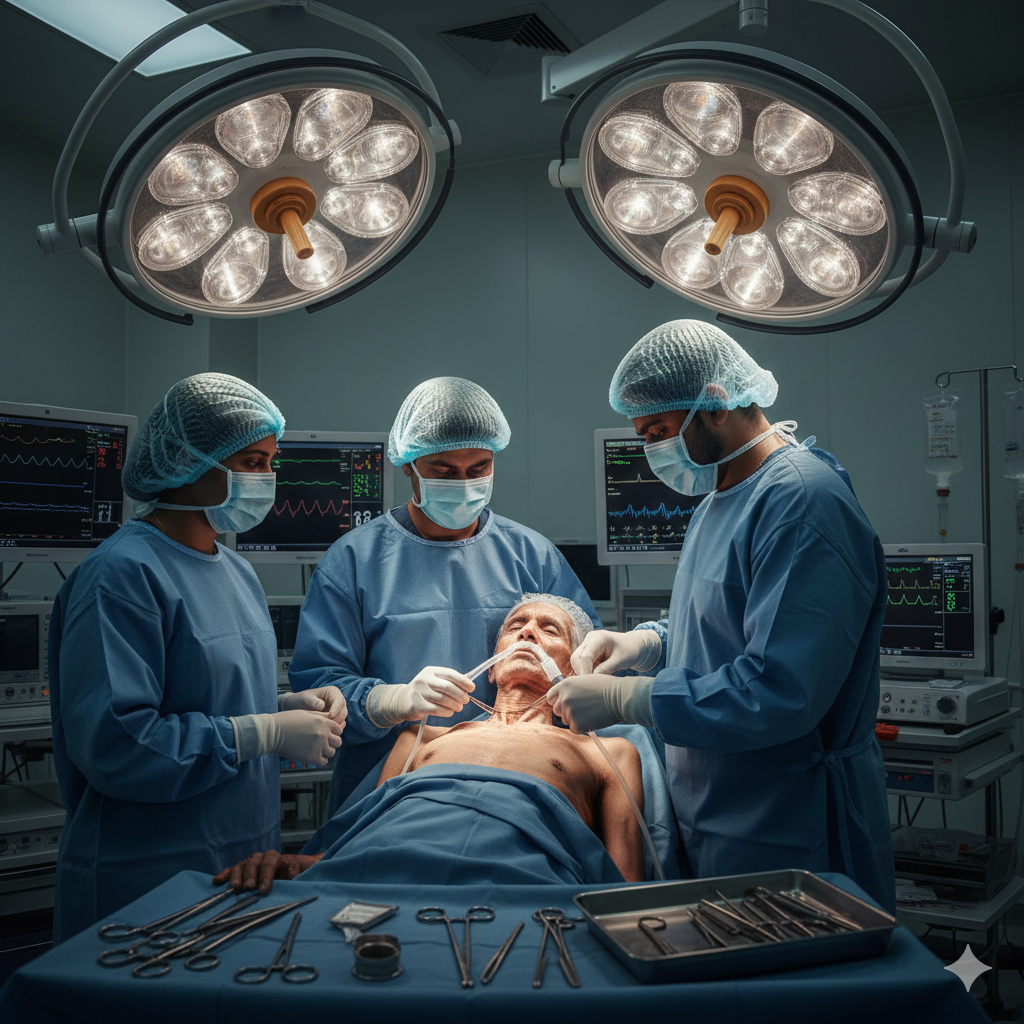
Surgery

Chemotherapy
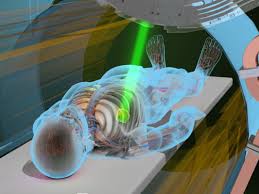
Radiation therapy
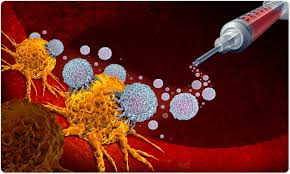
Immunotherapy

Why with us ?

Choose Privaram for lung cancer care, where our expert team combines advanced diagnostics, targeted therapies, and precision radiation. We provide compassionate, comprehensive treatment in a state-of-the-art facility, prioritizing your comfort, dignity, and overall well-being throughout your healing journey.