


What is Head and Neck Cancer ?

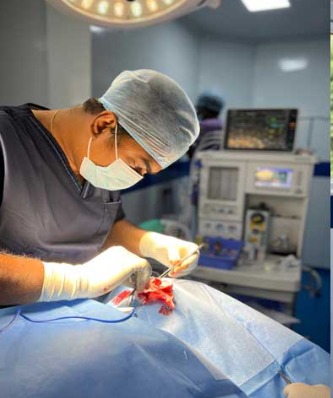
Head and neck cancer is a broad term for malignancies that develop in the moist, mucosal surfaces of the head and neck region, most commonly beginning in the squamous cells. These cancers are categorized by the area where they start. Key types include: Oral Cancer: Affecting the lips, tongue, cheeks, and floor of the mouth. Pharyngeal Cancer: Occurring in the throat (pharynx), including the nasopharynx, oropharynx, and hypopharynx. Laryngeal Cancer: Found in the voice box (larynx). Salivary Gland Cancer: Developing in the salivary glands. The primary risk factors are significant tobacco use (smoking and chewing) and heavy alcohol consumption. Infection with the human papillomavirus (HPV) is a leading cause of oropharyngeal cancer.
Book Appointment

What is Head and Neck Cancer ?

Head and neck cancer is a broad term for malignancies that develop in the moist, mucosal surfaces of the head and neck region, most commonly beginning in the squamous cells. These cancers are categorized by the area where they start. Key types include: Oral Cancer: Affecting the lips, tongue, cheeks, and floor of the mouth. Pharyngeal Cancer: Occurring in the throat (pharynx), including the nasopharynx, oropharynx, and hypopharynx. Laryngeal Cancer: Found in the voice box (larynx). Salivary Gland Cancer: Developing in the salivary glands. The primary risk factors are significant tobacco use (smoking and chewing) and heavy alcohol consumption. Infection with the human papillomavirus (HPV) is a leading cause of oropharyngeal cancer.
Book Appointment

When should you need Head and Neck Cancer Treatment ?

  • The symptoms of head and neck cancer vary depending on the specific area where the cancer begins (e.g., mouth, throat, voice box). However, many symptoms are shared across these regions. Common and Persistent Symptoms Include: A Mouth Sore That Doesn't Heal, A Lump or Thickening, Sore Throat or Hoarseness, Difficulty Swallowing, Ear Pain, Nasal Obstruction or Congestion
Book Appointment

What is the diagnostic process for Head and Neck Cancer ?

  • The diagnostic process for head and neck cancer begins with a physical examination of the oral and nasal cavities, neck, and throat. Key steps include:
  • Endoscopy: A thin, flexible tube with a camera (endoscope) is used to visually examine the throat, larynx (voice box), and nasal passages in detail.
  • Imaging: Scans such as a CT or MRI are performed to determine the tumor's exact size, location, and if it has spread to nearby structures or lymph nodes.
  • Biopsy: A small tissue sample is taken from the suspicious area, either during the endoscopy or with a fine needle from a neck lump. A pathologist's analysis of this sample provides the definitive diagnosis.
Book Appointment

How should we treat Head and Neck Cancer ?

Surgery

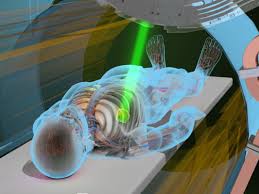
Radiation Therapy

Chemotherapy
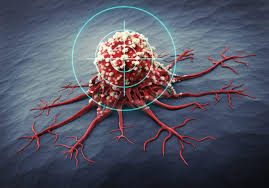
Targeted Therapy & Immunotherapy

Why with us ?

Choose Privaram for head and neck cancer care, where our specialized team uses advanced surgical techniques and precision radiation. We provide comprehensive, compassionate treatment in a supportive environment, focusing on your quality of life and holistic recovery. Your well-being is our utmost priority.